Independent patient guide
Straumann implant systems, treatment and evidence, explained
Understand the implant system. Understand the treatment. Know who will treat you. Plain-language explanations built on regulatory records, manufacturer documentation and peer-reviewed research, with every source labelled.
- The iEXCEL system and its four designs: BLX, TLX, BLC and TLC
- What the warranty, MRI labeling and FDA record actually say
- A free clinical assessment from our disclosed clinical partner
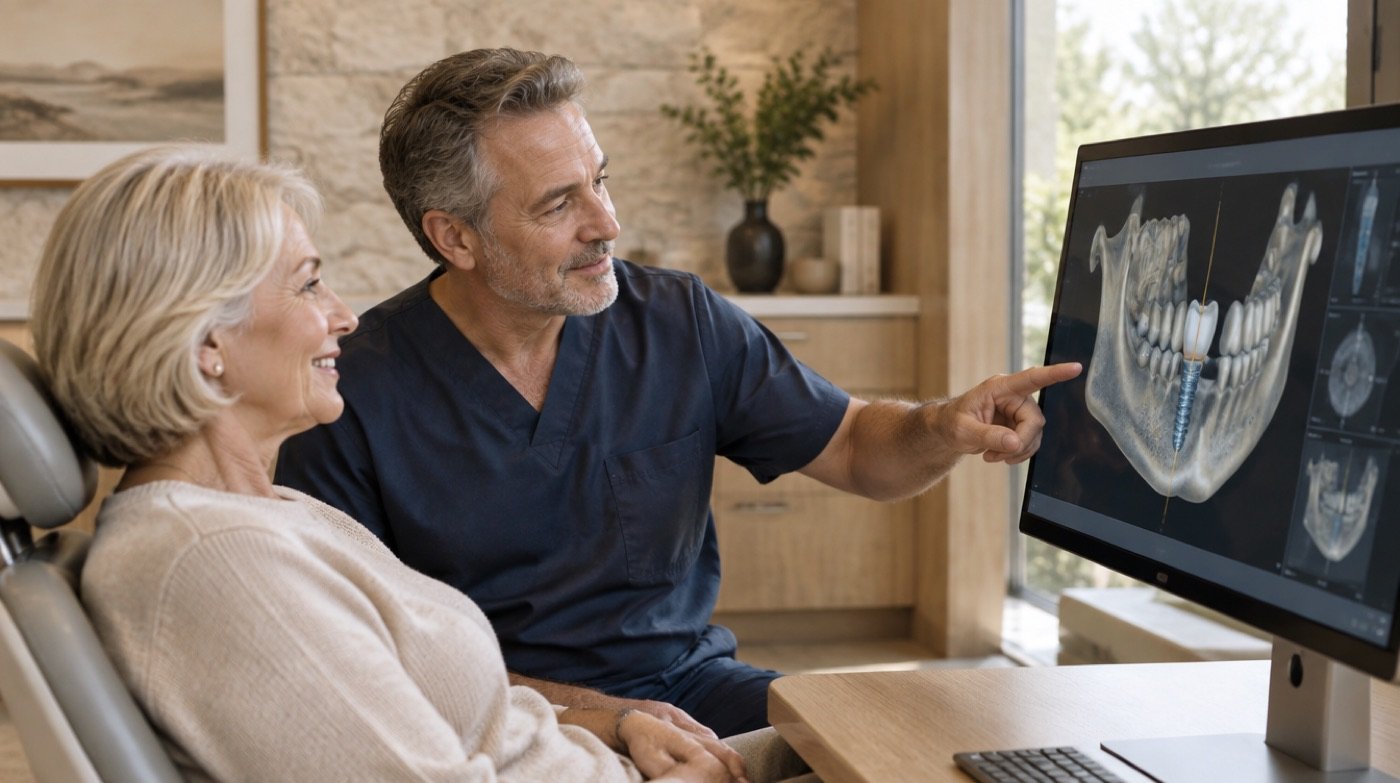
Request a clinical assessment
Free and without obligation. A dentist from our clinical partner reviews your details. 3 short steps
- Free, no obligation
- Health data handled confidentially
- Reply usually within 1 working day
Independent
Not owned, operated, sponsored or endorsed by Straumann. We use brand names only to identify the products we discuss. Trademark information
Sources you can check
Every fact is linked to its source and labelled: Regulatory record Manufacturer documentation Systematic review
Clear roles
This site informs. Our clinical partner examines, diagnoses and treats. Straumann manufactures the implants. How it works
The iEXCEL system
One ecosystem, four implant designs
Straumann describes iEXCEL™ as a single system with four implant designs that share one TorcFit™ connection. Two work at bone level, two at tissue level. Two are the "X" designs aimed at immediate protocols, two are the tapered "C" designs.
Beyond iEXCEL
Other Straumann implant systems
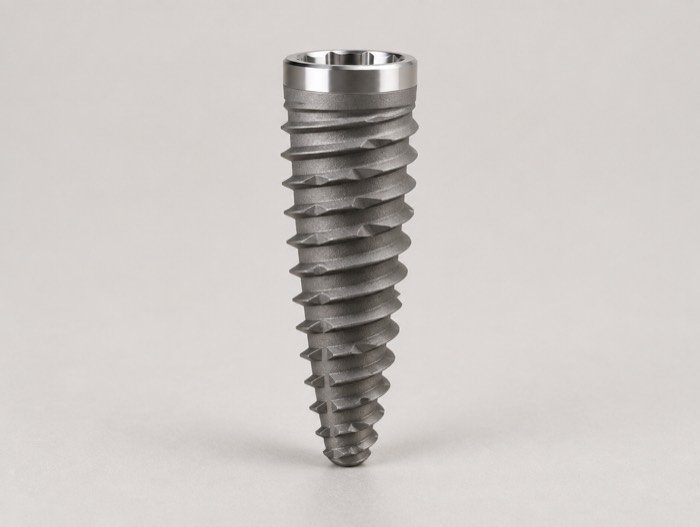
Bone Level Tapered (BLT)
Apically tapered bone-level line, including the narrow Ø2.9 mm implant.
Read more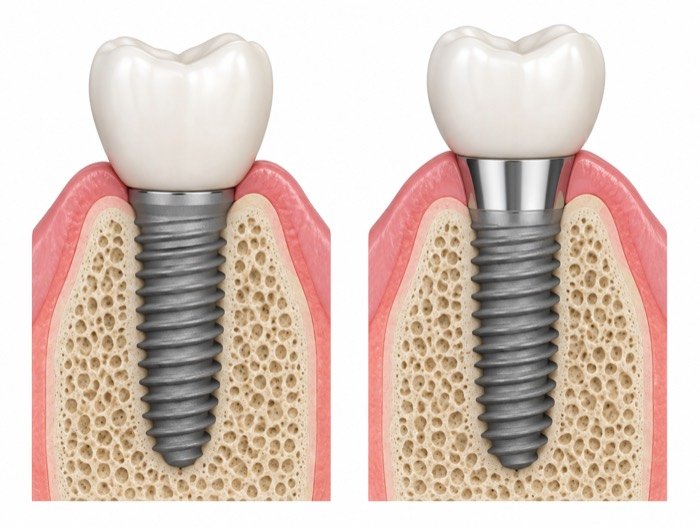
Tissue Level
The classic Standard / Standard Plus line, NNC and the 4 mm short implant.
Read more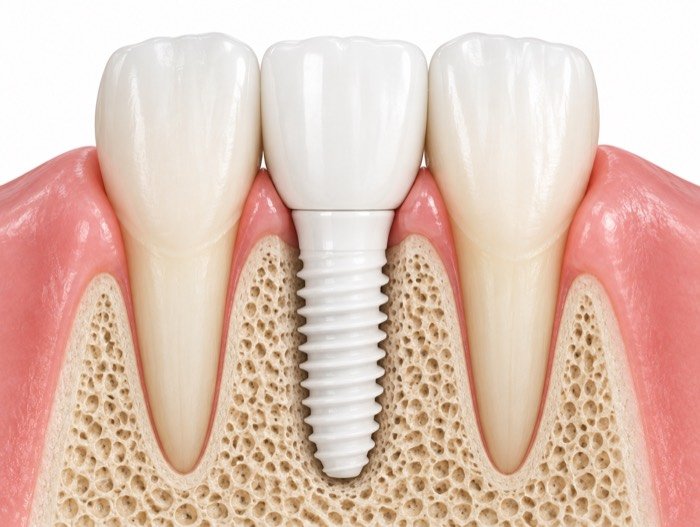
PURE Ceramic
Zirconia implant with the ZLA surface, in monotype and two-piece designs.
Read more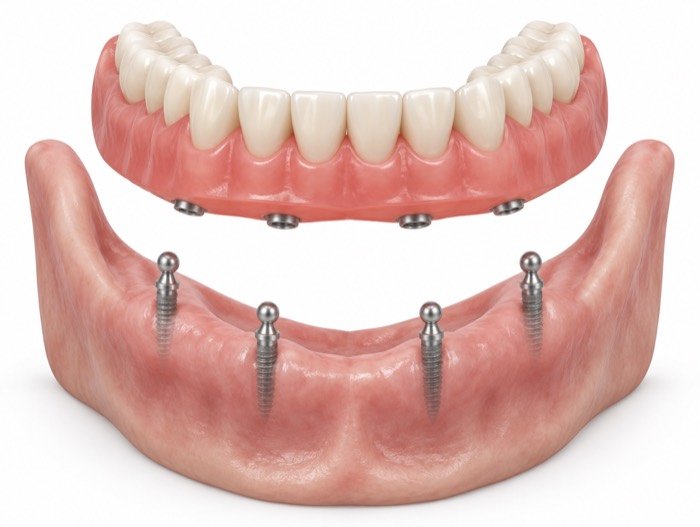
Mini Implant & RidgeFit
Ø2.4 mm one-piece implants with an Optiloc attachment for removable dentures.
Read more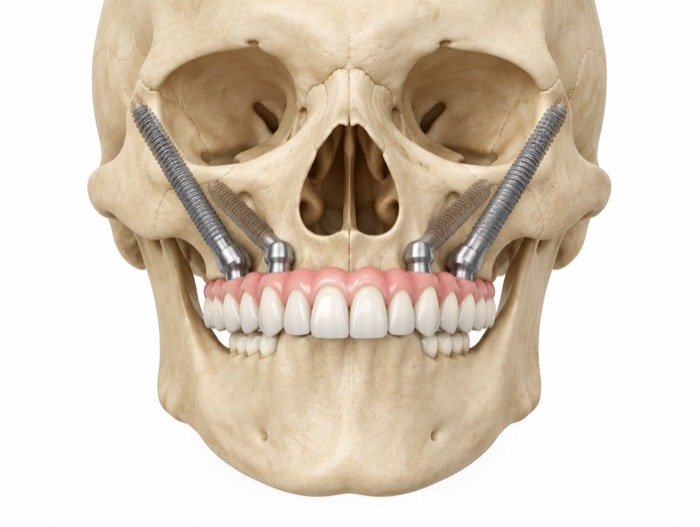
Zygomatic
Extra-long implants anchored in the cheekbone. ZAGA Flat and Round designs.
Read more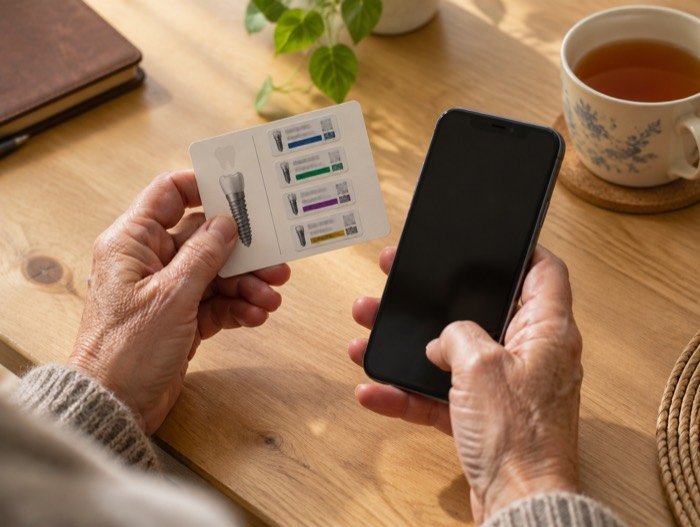
Older & legacy systems
ITI and older Straumann lines: how to identify them and why records matter.
Read moreTechnology
Materials and surfaces are not implant systems
Roxolid® is a material. SLActive®, SLA® and ZLA® are surfaces. TorcFit™ is a connection. Knowing which is which makes quotes and brochures much easier to understand.
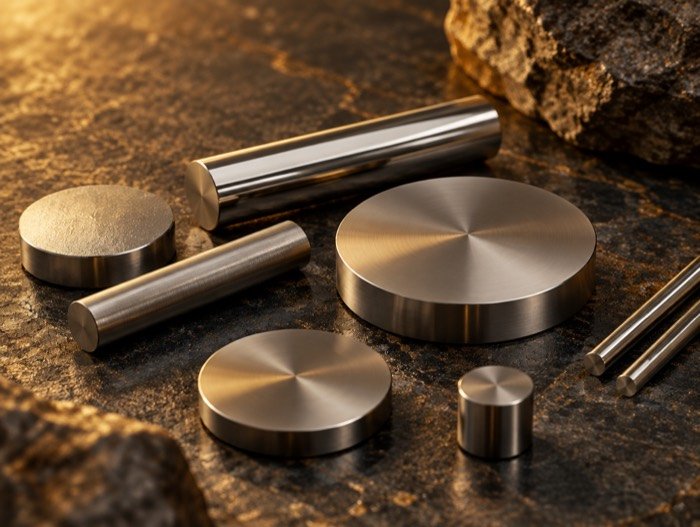
Roxolid®
Straumann's titanium–zirconium alloy used in BLX, TLX, BLC, TLC and more.
Read more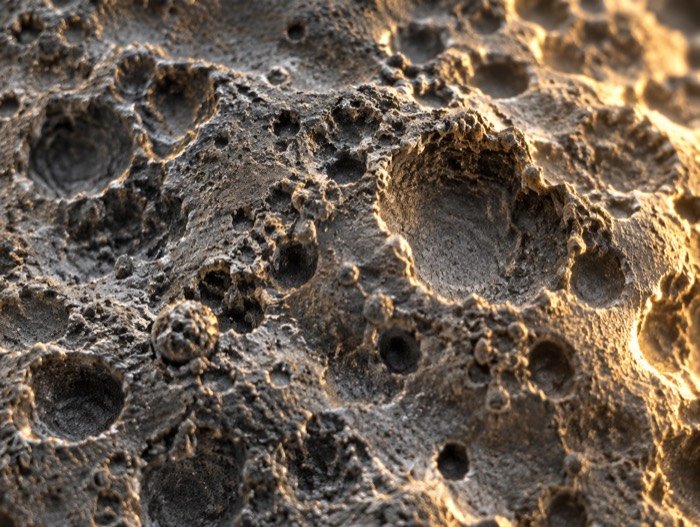
SLActive®
SLA-type surface kept chemically activated and hydrophilic in saline.
Read moreSLA®
Large-grit sandblasted, acid-etched surface with long-term data.
Read moreZLA®
Sandblasted, acid-etched zirconia surface on PURE Ceramic implants.
Read moreTreatments
From one tooth to a full arch
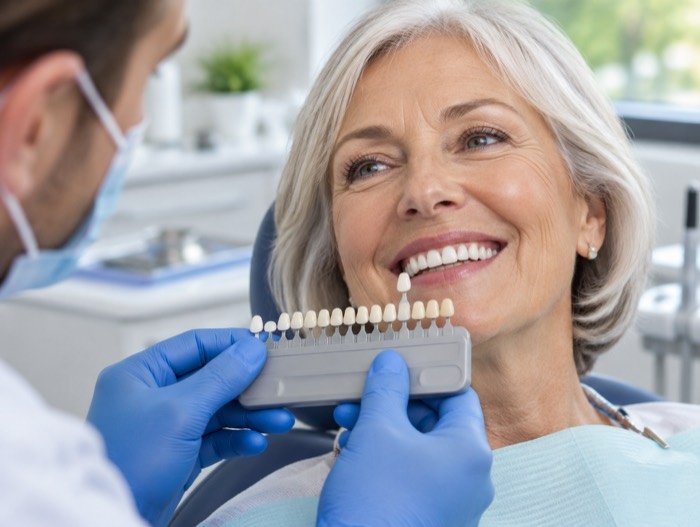
Single tooth implant
One implant, one crown: the most common implant treatment.
Read more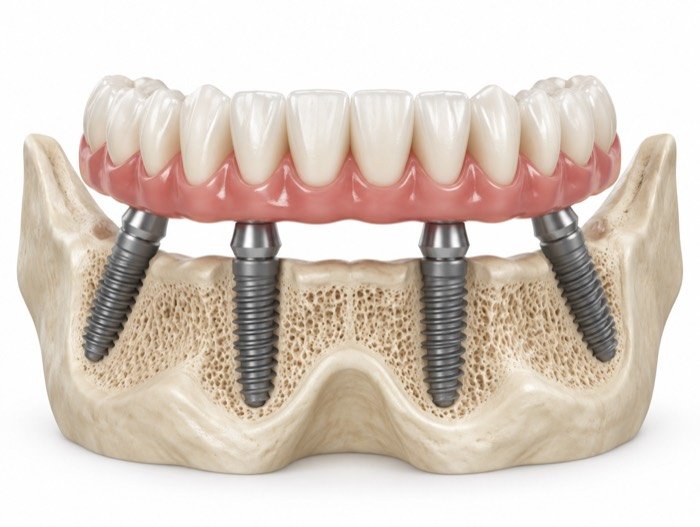
Full-arch implants
A fixed bridge for a whole jaw on four, six or more implants.
Read more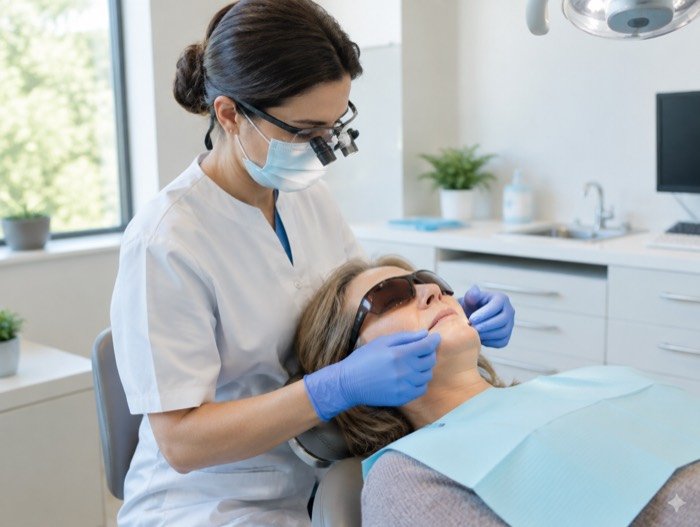
Immediate implants
Placing the implant on the day a tooth is removed, and when teeth can follow the same day.
Read morePatient guide
The questions patients actually ask
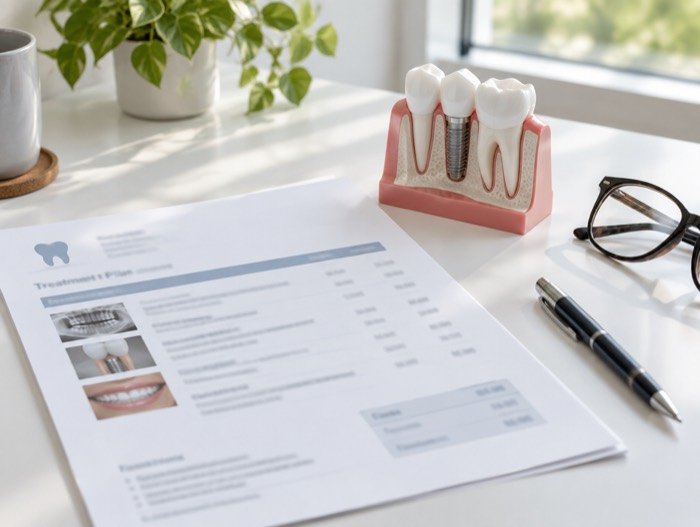
Straumann implant cost
Why there's no single honest number, and what a complete quote includes.
Read more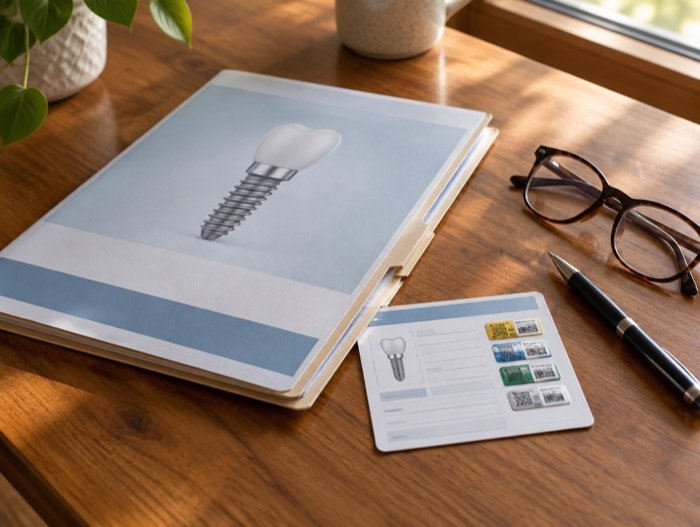
Straumann warranty
Read from the official guarantee form: who it protects and what it replaces.
Read more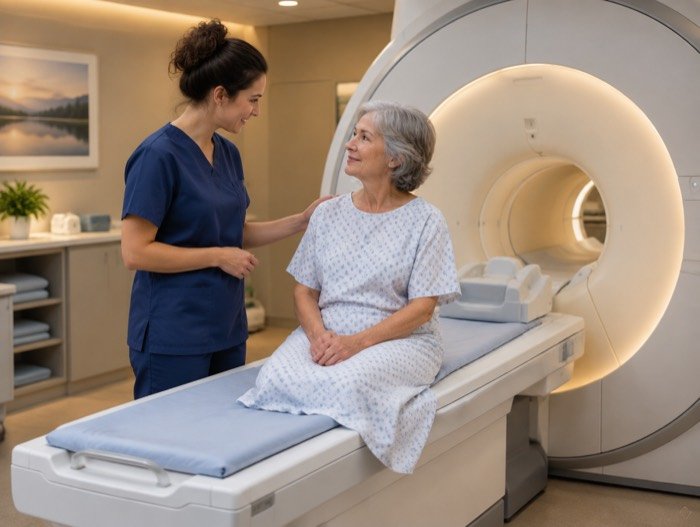
MRI & Straumann implants
MR Conditional: safe under specific conditions, not under any conditions.
Read moreImplant passport
The record that lets any dentist help you years from now.
Read moreEvidence, labelled honestly
Manufacturer claims and independent research, side by side
Straumann states that its SLActive® surface demonstrated 100% implant survival, even in patients compromised by smoking, diabetes or radiation therapy. 1
This is how the manufacturer summarises studies it cites. A figure from selected study groups does not mean every implant will survive in every patient. We have not independently reviewed each cited study.
In an independent retrospective study of 511 titanium implants with an SLA surface in 303 patients, 10-year implant survival was 98.8% and success 97.0%. 2
Patients were orally healthy and followed at a university clinic. Results from one centre cannot be transferred to every patient.
Straumann describes Roxolid® as stronger than titanium and 'biologically superior', enabling smaller implants and less invasive treatment. 13
Independent systematic reviews of narrow titanium–zirconium implants report outcomes similar to titanium narrow implants over short follow-up (up to about 3 years). They do not show that Roxolid gives better survival.
Clinical assessment
Find out whether Straumann implant treatment suits you
Send a few details and, if you have one, a recent x-ray. A dentist from our clinical partner reviews your case and replies with next steps. Free and without obligation.
This website does not diagnose. Only an examination by a dentist can confirm a treatment plan.

Frequently asked questions
Is this the official Straumann website?
Who will assess my case if I send a request?
Which Straumann implant is best for me?
How much does a Straumann implant cost?
Sources
- Manufacturer documentationStraumann iEXCEL™ system (product page) — Institut Straumann AG. Accessed 28 Sep 2026.
- Independent clinical studyBuser D et al. 10-year survival and success rates of 511 titanium implants with a sandblasted and acid-etched surface — Clin Implant Dent Relat Res, 2012. Accessed 28 Sep 2026.
- Manufacturer documentationStraumann® Roxolid® (material page) — Institut Straumann AG. Accessed 28 Sep 2026.
- Systematic reviewIegami CM et al. Survival of titanium-zirconium vs commercially pure titanium narrow-diameter implants: systematic review and meta-analysis — Clin Implant Dent Relat Res, 2017. Accessed 28 Sep 2026.
- Systematic reviewCao R et al. Clinical outcomes of titanium-zirconium narrow-diameter implants for single crowns: systematic review and meta-analysis — Br J Oral Maxillofac Surg, 2023. Accessed 28 Sep 2026.