In short
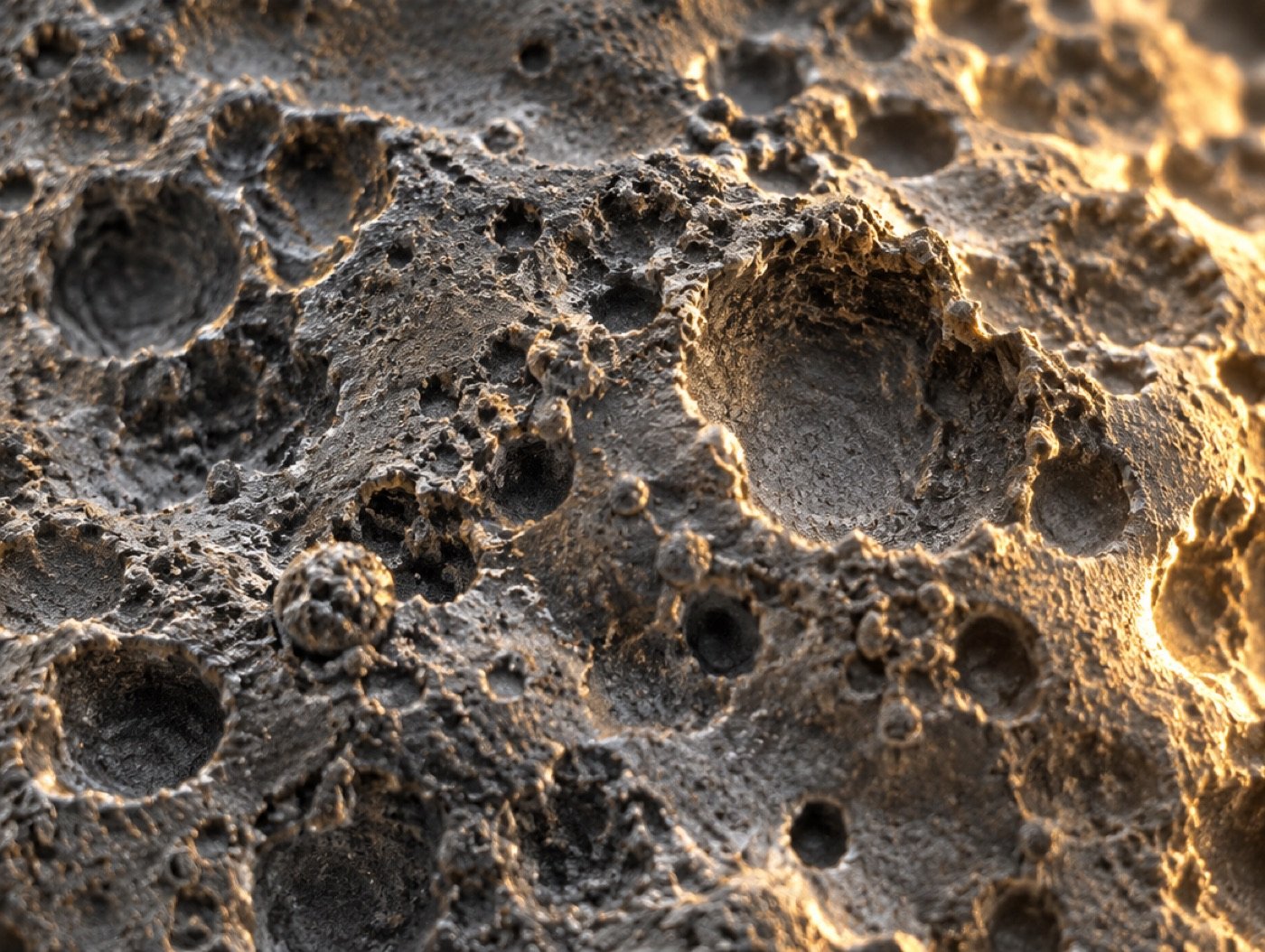
- Sandblasting creates the coarse roughness; acid etching adds the fine micro-pits.
- Independent 10-year study: 98.8% survival for 511 SLA implants.2
- SLActive is the hydrophilic version of the same surface.
What the long-term study found
Independent clinical study
In an independent retrospective study of 511 titanium implants with an SLA surface in 303 patients, 10-year implant survival was 98.8% and success 97.0%. 2
Patients were orally healthy and followed at a university clinic. Results from one centre cannot be transferred to every patient.
Independent clinical study
In 4,591 Straumann implants followed in private practice for up to 10 years, bone loss was minimal for most implants, but some showed advanced bone loss, and bleeding around the implant was linked to greater bone loss. 3
Clinical review pending. Facts on this page are checked against the sources listed below (regulatory records, manufacturer documents, peer-reviewed research). A named clinician will review it before we call it medically reviewed.
Last updated 28 Sep 2026 · How we review
Last updated 28 Sep 2026 · How we review
Sources
- Manufacturer documentationDental implant materials and surfaces — Institut Straumann AG. Accessed 28 Sep 2026.
- Independent clinical studyBuser D et al. 10-year survival and success rates of 511 titanium implants with a sandblasted and acid-etched surface — Clin Implant Dent Relat Res, 2012. Accessed 28 Sep 2026.
- Independent clinical studyFrench D et al. Retrospective cohort of 4,591 Straumann implants in private practice, up to 10-year follow-up — Int J Oral Maxillofac Implants, 2016. Accessed 28 Sep 2026.
Educational information only. The choice of implant system depends on your anatomy, restorative plan, bone quality and the clinician's assessment. This website does not recommend a specific implant for you.