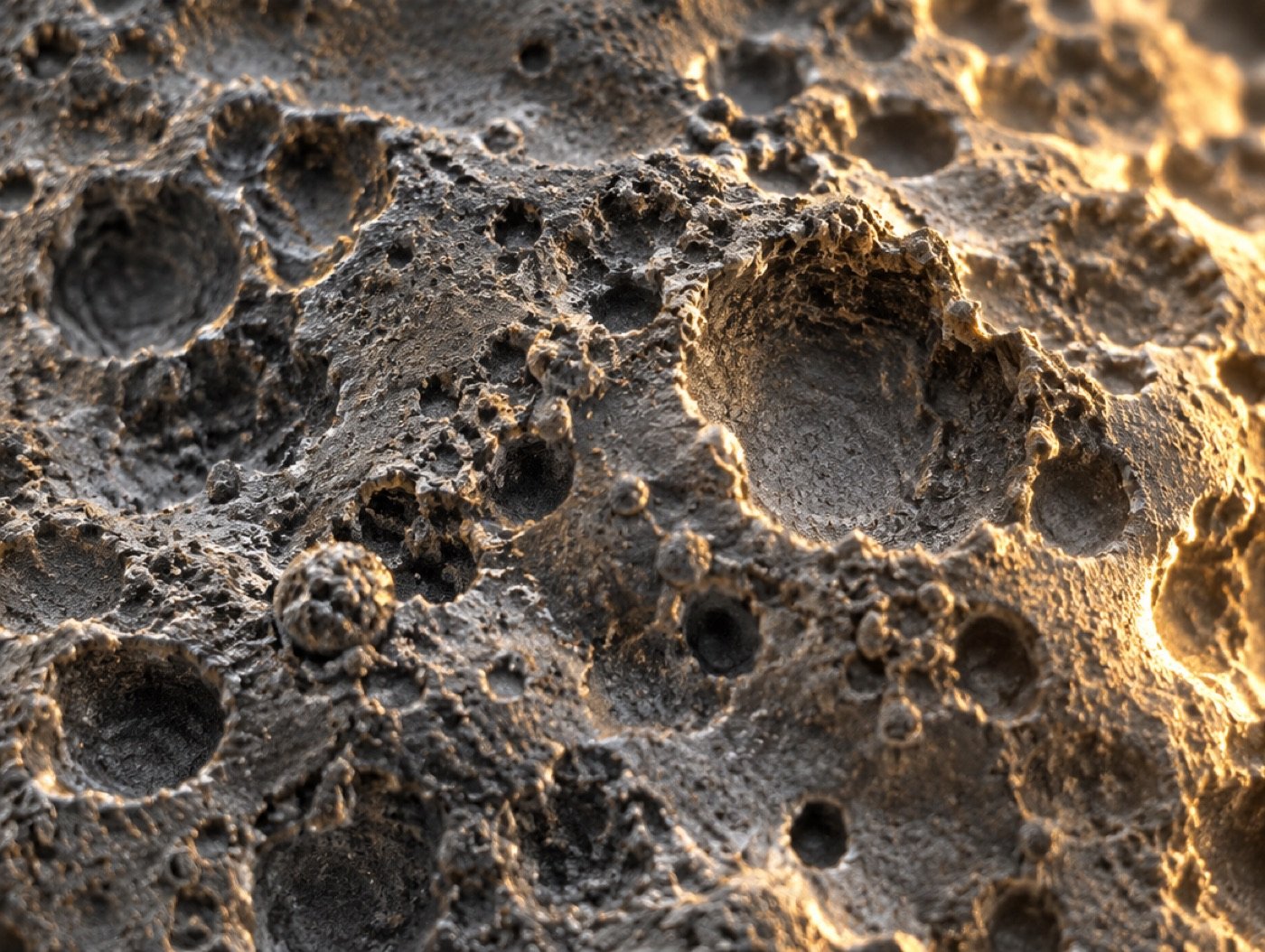
SLActive vs SLA in plain words
Both start from the same roughened titanium surface. SLA is dried and packed normally. SLActive is kept chemically clean and wet in saline, which makes it hydrophilic: water and blood spread across it instead of beading up.1 The idea is to support early bone healing.
Claims and evidence
Straumann states that its SLActive® surface demonstrated 100% implant survival, even in patients compromised by smoking, diabetes or radiation therapy. 3
This is how the manufacturer summarises studies it cites. A figure from selected study groups does not mean every implant will survive in every patient. We have not independently reviewed each cited study.
A systematic review of laboratory studies found that hydrophilic SLActive surfaces shifted immune cells towards a less inflammatory response than standard SLA surfaces. 4
These were in-vitro studies of low-to-moderate quality. The authors state they do not replicate healing in the human body.
Straumann's own website lists supporting studies; independent confirmation of manufacturer statements varies by claim. We label them rather than repeat them as fact.
Would you like a dentist to assess whether this treatment suits you?
Request an assessmentLast updated 28 Sep 2026 · How we review
Sources
- Regulatory recordFDA 510(k) K230108 — Straumann BLC and TLC Implants (510(k) summary) — U.S. Food and Drug Administration, 2023-09-14. Accessed 28 Sep 2026.
- Manufacturer documentationDental implant materials and surfaces — Institut Straumann AG. Accessed 28 Sep 2026.
- Manufacturer documentationStraumann iEXCEL™ system (product page) — Institut Straumann AG. Accessed 28 Sep 2026.
- Systematic reviewDonohoe E et al. Macrophage inflammatory response to hydrophobic vs hydrophilic SLA titanium: systematic review — Clin Exp Dent Res, 2023. Accessed 28 Sep 2026.
Educational information only. The choice of implant system depends on your anatomy, restorative plan, bone quality and the clinician's assessment. This website does not recommend a specific implant for you.